October 8, 2026
Teeth whitening can create a noticeably brighter smile, but the results are not permanent. How long that brighter appearance lasts depends on the whitening method, diet, oral hygiene habits, and other personal factors. Understanding what can cause teeth to become stained again can help individuals protect their results and make informed decisions about future whitening treatments.
1. Consider the Whitening Method
Compare Professional and At-Home Treatments
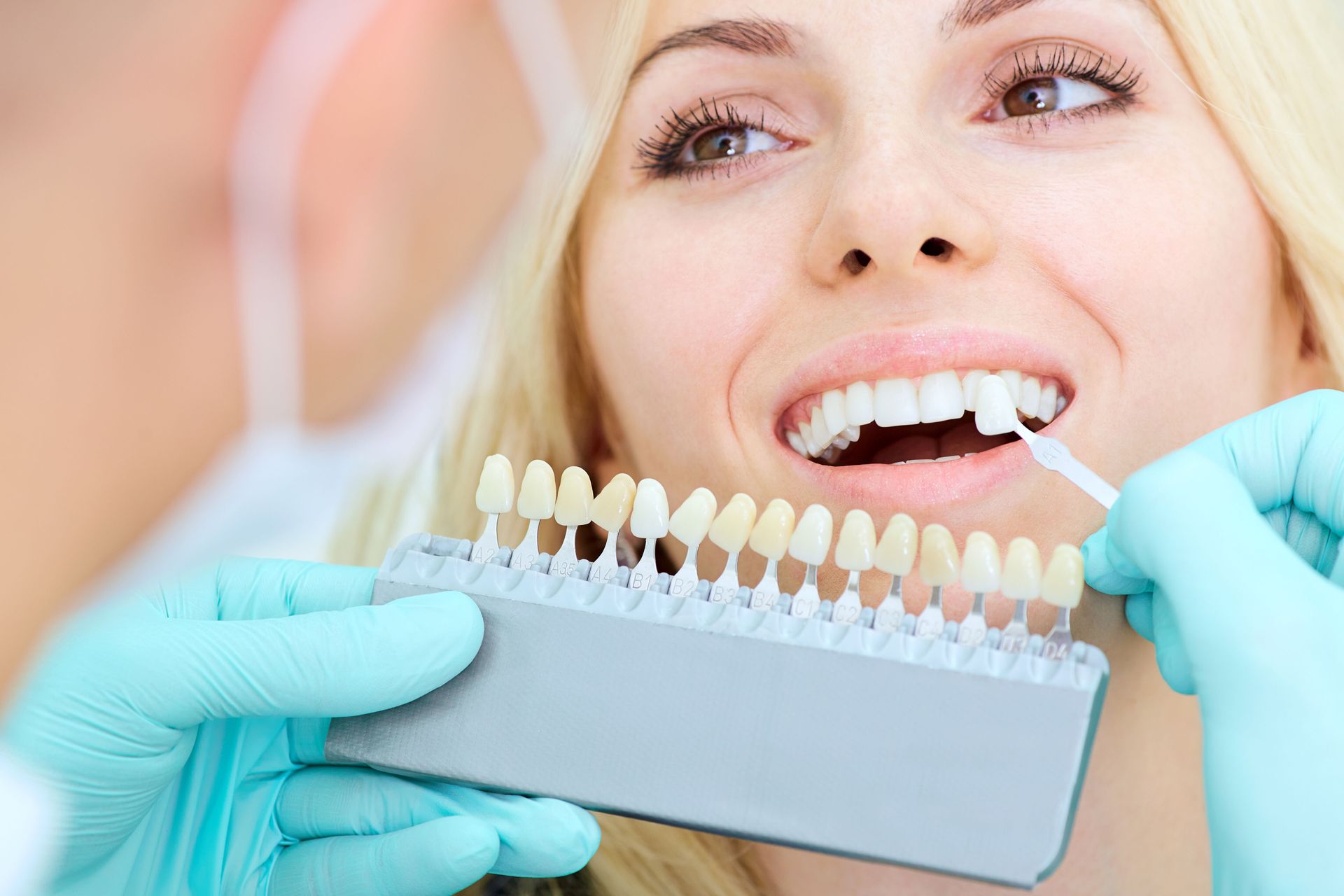
The type of whitening treatment used can affect both the speed and longevity of the results. Professional teeth whitening is performed under the supervision of a dental professional and generally uses stronger whitening agents than many over-the-counter products. According to RankMyDentist, in-office teeth whitening can brighten teeth by 5 to 8 shades in a single 60-minute session. This makes professional treatment an appealing option for individuals looking for significant results in a relatively short period. Professional teeth whitening services can also provide guidance for maintaining those results.
At-home kits, whitening strips, and gels can also brighten teeth, but they typically require repeated applications over a longer period. Custom whitening trays provided by a dental professional can offer a more even application than many store-bought products. The best option depends on factors such as the desired level of whitening, sensitivity, budget, and individual oral health.
Understand Laser Whitening
Laser whitening is another professional option designed to enhance the action of whitening agents. The treatment can produce noticeable results in a relatively short amount of time, making it attractive to people seeking a significant improvement before an event or special occasion. However, some individuals may experience temporary sensitivity afterward. For those seeking professional teeth whitening services, discussing sensitivity concerns with a dentist can help determine an appropriate treatment approach.
Maintaining laser whitening results requires the same attention to oral hygiene and diet as other professional treatments. Limiting staining foods and beverages and following professional recommendations can help preserve the brighter appearance for longer.
Use Custom Whitening Trays
Custom whitening trays are designed to fit an individual's teeth closely, allowing the whitening product to contact the tooth surfaces more evenly. Because they are made for a specific mouth, they can provide a more controlled approach than generic trays or strips.
Custom trays may also be useful for periodic touch-ups when recommended by a dental professional. Following the recommended application schedule is important because excessive whitening can increase sensitivity and cause unnecessary irritation. When used correctly, custom trays can be a convenient part of a long-term approach to maintaining a brighter smile.
2. Manage Everyday Food and Drink Choices
Limit Dark Beverages
Coffee, tea, red wine, and other dark beverages can contribute to new stains after whitening. These pigments can attach to the surface of teeth and gradually make them appear darker. Acidic beverages may also weaken enamel, potentially making teeth more vulnerable to discoloration.
Reducing how frequently these beverages are consumed can help protect whitening results. Drinking water afterward can also help rinse away pigments and residue. When appropriate, using a straw may reduce direct contact between certain beverages and the front surfaces of the teeth.
Manage Acidic Foods
Acidic foods and drinks, including citrus fruits, tomatoes, and vinegar-based foods, can affect enamel over time. Acid exposure can temporarily soften the enamel surface, making it important to avoid brushing immediately afterward. Waiting about 30 minutes before brushing gives saliva time to help neutralize acids.
Drinking water after acidic foods can help rinse the mouth and reduce prolonged acid exposure. These simple habits support enamel health, which is important for maintaining the appearance of whitened teeth and getting the most from professional teeth whitening services.
Reduce Sugary and Starchy Foods
Sugary and starchy foods can contribute to plaque buildup. Oral bacteria feed on sugars and produce acids that can damage enamel, while plaque can make teeth look dull or discolored. Candy, pastries, chips, and other refined foods can therefore work against efforts to maintain a bright smile.
Reducing frequent snacking on these foods and maintaining consistent oral hygiene can help limit plaque accumulation. Choosing nutrient-rich foods more often also supports overall oral health and helps create an environment where whitening results are easier to maintain.
Drink Plenty of Water
Water is one of the simplest ways to support a brighter smile. Drinking water helps rinse away food particles and staining substances while supporting normal saliva production. Saliva naturally helps neutralize acids and clean the mouth between brushing sessions.
Making water the primary beverage throughout the day can be particularly helpful after consuming coffee, tea, acidic foods, or meals that may contribute to staining. Hydrating foods such as apples, cucumbers, and celery can also contribute to a healthy oral environment.
Choose Smile-Friendly Foods
Some foods can support oral health and help protect the appearance of whitened teeth. Dairy products such as cheese and yogurt provide nutrients that support tooth structure. Crunchy fruits and vegetables can also stimulate saliva production while helping remove some food particles from tooth surfaces.
A balanced diet cannot replace professional dental care, but it can complement a consistent oral hygiene routine. Choosing foods that support healthy teeth and gums helps create a stronger foundation for maintaining whitening results.
3. Maintain Consistent Oral Hygiene
Improve Brushing Habits
Regular brushing is essential after whitening because plaque and food debris can contribute to discoloration. A soft-bristled toothbrush and gentle circular motions can help clean the teeth without unnecessarily wearing down enamel or irritating the gums. Good brushing habits are also an important part of maintaining the results of teeth whitening services.
Brushing twice a day with fluoride toothpaste is generally recommended for maintaining oral health. Individuals should also avoid brushing immediately after consuming acidic foods or drinks. A consistent routine helps remove substances that could otherwise contribute to staining and dullness.
Practice Daily Flossing
Flossing cleans areas between the teeth that a toothbrush cannot effectively reach. Plaque and food particles can accumulate in these spaces, potentially contributing to discoloration and gum problems. Daily flossing, therefore, supports both the appearance and health of the smile.
Keeping the spaces between teeth clean can also make whitening results look more consistent. Individuals who have difficulty flossing effectively can ask a dental professional about alternative interdental cleaning tools that may better suit their needs.
Schedule Professional Cleanings
Professional dental cleanings can remove plaque, tartar, and some surface stains that regular brushing cannot eliminate. Keeping routine dental appointments can therefore help teeth maintain a cleaner appearance between whitening treatments.
Professional cleanings also give dental professionals an opportunity to monitor oral health and identify issues that could affect the appearance of the smile. Addressing cavities, gum concerns, or other problems promptly supports long-term oral health while helping individuals maintain the results of their teeth whitening services.
4. Account for Personal Factors
Consider Age and Tooth Structure
Whitening results can vary from person to person because teeth naturally change with age. Enamel can become thinner over time, allowing more of the naturally darker dentin underneath to show through. Existing restorations, intrinsic discoloration, and the natural color of the teeth can also influence the outcome of whitening treatments.
Because everyone's teeth respond differently, there is no single timeline for how long whitening results will remain noticeable. A dental professional can evaluate the condition and color of the teeth before recommending an appropriate treatment.
Manage Tooth Sensitivity
Some people experience temporary sensitivity after whitening. Using whitening products more frequently than recommended can increase the likelihood of discomfort and does not necessarily produce better results. Following professional instructions can help individuals achieve their desired outcome while reducing unnecessary irritation.
Anyone who experiences significant or persistent sensitivity should discuss the issue with a dental professional before continuing a whitening regimen. Adjusting the treatment approach may make whitening more comfortable and appropriate for the individual's needs.
For individuals considering professional teeth whitening services, a dental professional can explain which treatment may best fit their goals and oral health needs. With appropriate care and periodic professional guidance, the results can remain noticeable for longer.
For personalized guidance on maintaining a brighter smile or choosing the right treatment, contact Smiles of Orland Park to discuss your options and learn how professional care can support your whitening goals.